Tupac, Radiohead, Selena & Janet Jackson’s Grammy Hall of Fame Legacy
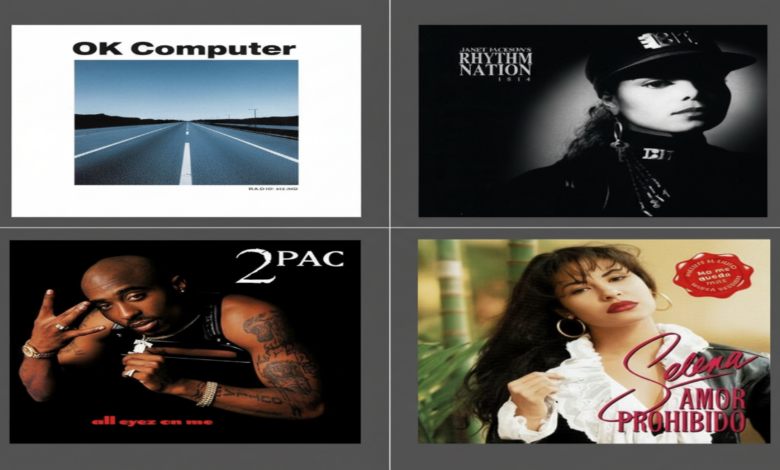
The 2026 Grammy Hall of Fame ceremony wasn’t just another award show — it was a time capsule of emotion, rebellion, and rhythm. For the first time, four artists from four different worlds were being honored together: Tupac Shakur, Radiohead, Selena Quintanilla, and Janet Jackson.
When the announcement played across the hall, the audience erupted. The screen behind the stage shifted through eras — from Tupac’s fire-soaked verses, to Selena’s radiant voice that crossed language barriers, to Radiohead’s haunting experimentation, to Janet Jackson’s timeless choreography and strength.
The first honoree celebrated was Tupac. His song, a raw testament to struggle and hope, echoed through the speakers — a reminder that truth, when born from pain, can outlive the man who wrote it. Artists in the crowd mouthed his lyrics quietly, as if reciting a prayer.
Then came Selena’s ballad — warm, soulful, and eternal. The melody drew tears from the audience. Her family stepped forward to accept the honor, smiling through emotion. “She believed her music could unite people,” her sister said. “And tonight proves she was right.”
Radiohead’s induction brought a shift in energy — surreal visuals spilled across the stage as the band’s experimental sound filled the room. Their song, once considered unconventional, was now celebrated as a timeless piece of art that redefined how emotion could sound.
Finally, Janet Jackson took the stage in person, radiant in a sleek white gown. Her entry brought the audience to its feet. The clip of her nominated song played — rhythmic, empowering, and unmistakably hers. When she accepted the honor, she said simply, “Music doesn’t just reflect change. It creates it.”
As the ceremony closed, the lights dimmed, and the four artists’ songs blended into one seamless mix — hip-hop, R&B, alternative rock, and Latin pop harmonizing for the first time. The moment felt sacred — as if all the boundaries that once separated genres, races, and eras had quietly dissolved into the same universal sound.
And long after the crowd went home, their music still played — in cars, in headphones, in hearts — songs that had earned their eternal place in history.