Isaac Hayes Estate Settles Epic Copyright Clash with President Trump
Soul Icon's "Hold On, I’m Coming" Goes Silent at Rallies After Confidential Deal Ends Two-Year Battle
Soul Icon’s “Hold On, I’m Coming” Goes Silent at Rallies After Confidential Deal Ends Two-Year Battle
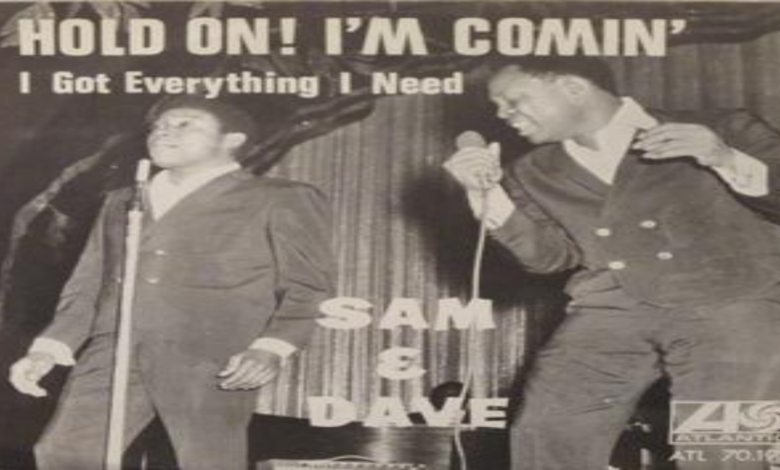
President Donald Trump and the estate of soul legend Isaac Hayes have finalized a confidential settlement, drawing a line under a high-profile copyright battle sparked by the unauthorized blasting of “Hold On, I’m Coming” at Trump’s campaign rallies. Picture this: a soul-stirring anthem co-written by Hayes, echoing through packed arenas over 130 times during the 2020 and 2024 campaigns—without a nod from the family safeguarding his legacy.
The saga kicked off in August 2024 when the estate hauled Trump, his campaign team, and allies into federal court in Georgia’s Northern District. They claimed the repeated spins at events and in viral videos racked up potential damages nearing $3 million, trampling on freshly recaptured composition rights. Trump’s side fired back, waving a BMI performance license from late 2022 and pinning ownership questions on a separate publisher. But the estate wasn’t buying it—they’d terminated that arrangement and sent a clear 2024 cease-and-desist via BMI.
U.S. District Judge Thomas Thrash Jr. sided with the plaintiffs early on, rejecting dismissal bids and slapping an injunction to silence the song at rallies. Fast-forward to February 22, 2026: the parties stunned the court with a joint dismissal “with prejudice,” sealing the deal for good—no refiling allowed, and the nitty-gritty of any payout stays under wraps.
Isaac Hayes III and the family exhaled in a statement, declaring the resolution a win not just for them, but for every artist fighting to shield their work from mismatched political spotlights. “We’re satisfied,” they said, framing it as a beacon for intellectual property warriors everywhere. It’s a vivid reminder in the ongoing soundtrack wars—think Neil Young, the White Stripes, and others drawing similar battle lines—that blanket licenses don’t always trump an artist’s moral say-so. In politics’ roaring arenas, Hayes’s groove now rests, reclaimed and resolute.