Part 3: Brotherhood Before the Storm: Tupac, Diddy, and the Early ’90s Alliance
Editorial & Legal Disclaimer: This article is Part 3 of a seven-part investigative and historical commentary series examining public records, archival media, witness statements, and historical accounts surrounding the life and 1996 murder of Tupac Shakur. All individuals mentioned are discussed in historical and artistic contexts based on verified public records and broadcast archives.
Before coastal battle lines were drawn, before subwoofers blared regional diss tracks, and before studio lobbies turned into scenes of violence, the emerging architects of 1990s hip-hop shared a period of mutual respect and artistic solidarity.
In the early 1990s, the hip-hop ecosystem was far more fluid. Artists from New York, Baltimore, Oakland, and Los Angeles frequently shared stages, studio sessions, and industry showcases. During this formative era, Tupac Shakur—then rising as a charismatic solo artist following his stint with Digital Underground—and Sean “Puff Daddy” Combs—then an ambitious young A&R executive at Uptown Records—were operating in the same creative orbits.
Theory 3: The Fractured Brotherhood
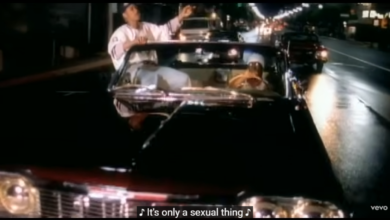
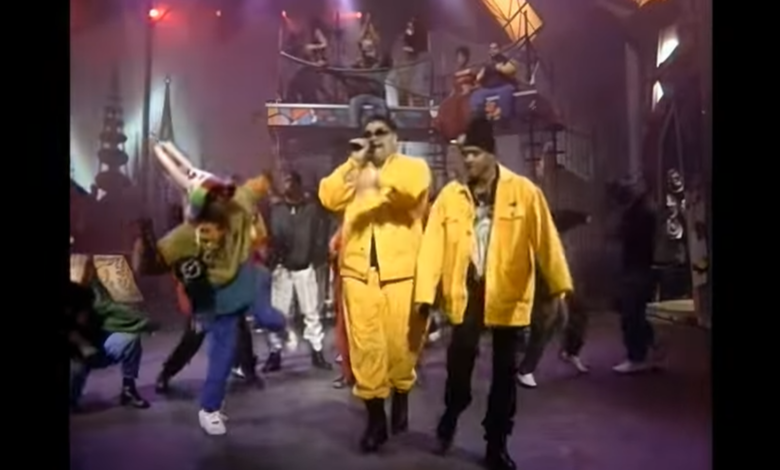
A prominent visual document of this early unity sits archived in television history: a November 1992 broadcast of the hit sketch comedy series In Living Color.
During Season 4, episode 10, hip-hop icon Heavy D & The Boyz took the stage to perform their hit single “You Can’t See What I Can’t See.” Flanking Heavy D in the background was an energetic entourage of rising stars sharing the spotlight. Among them was a 21-year-old Tupac Shakur hype-manning with electric passion, alongside a young Sean Combs dancing and hyping the crowd in his signature style.
Watch the full broadcast performance of Heavy D & The Boyz featuring Tupac Shakur and Sean Combs on In Living Color (Season 4, Episode 10) to see the early synergy between these two hip-hop figures before their relationship deteriorated.
At that moment, there were no coastal factions or corporate disputes. Tupac, proud of his New York roots while establishing his artistic footprint in California, celebrated the East Coast sound. Combs, building his reputation as an executive powerhouse, recognized Tupac’s undeniable star power. Their early interactions were rooted in mutual admiration and shared ambition to elevate the genre to mainstream dominance.
The Shifts That Severed the Bond
The camaraderie captured on national television in 1992 would not survive the rapid evolution of the music business over the next two years.
As Combs departed Uptown Records to establish Bad Boy Entertainment in 1993, he brought a polished, commercially aggressive aesthetic to East Coast hip-hop. Meanwhile, Tupac’s solo career exploded with raw, socially conscious, and increasingly gritty anthems like “Holler If Ya Hear Me” and “Papa’z Song”.
As both men accrued power, wealth, and influence, the personal space between them tightened. Executive rivalries, territorial street politics, and competing artist rosters slowly replaced the uninhibited energy of that 1992 television stage.
Understanding this early era of brotherhood makes the tragic fallout that followed all the more poignant. The feud that eventually consumed the industry did not stem from ancient hatred, but from a broken connection between peers who once shared the same stage.
Part 4 of “30 Years Later: The Don Killuminati and 7 Theories to His Death” continues tomorrow, focusing on the deep brotherhood and creative synergy between Tupac Shakur and Christopher “The Notorious B.I.G.” Wallace before Quad Studios changed hip-hop history.