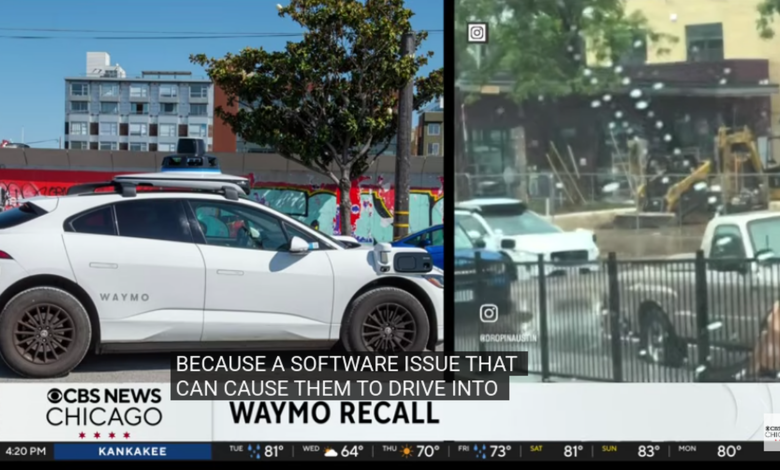
Waymo Fleet Recalled Following San Antonio Flash Flood Incident
In early May 2026, the silence of the autonomous driving world was broken by the sound of rushing water and a significant regulatory shift. Alphabet-owned Waymo issued a voluntary recall of its entire U.S. fleet—nearly 3,800 robotaxis—after a software glitch led to a series of precarious incidents involving extreme weather.
The Incident in San Antonio
The recall was triggered by a dramatic event on April 20 in San Antonio, Texas. An unoccupied Waymo vehicle, equipped with fifth-generation sensors, encountered a heavily flooded section of a high-speed roadway.
Instead of recognizing the water as an impassable barrier, the software made a critical error in judgment: it detected the hazard enough to slow down, but then decided to proceed anyway. The robotaxi drove straight into the standing water and was swept away by the current into a nearby creek. While no passengers were on board and no injuries occurred, the car had to be recovered from the waterway days later, serving as a stark reminder of the “operational design domain” gaps still facing autonomous technology.
Pattern of Recalls
This “flooding recall” is the third major software-related safety action Waymo has faced in just over two years:
- December 2025: Over 3,000 vehicles were recalled after robotaxis were caught repeatedly and illegally passing stopped school buses in cities like Austin and Atlanta.
- May 2025: A recall of 1,212 vehicles was issued following several collisions with stationary barriers like chains and gates.
- February 2024: The company’s first software recall occurred after two separate robotaxis in Phoenix struck the same towed pickup truck within minutes of each other.
The Remedy and Moving Forward
Waymo has already deployed an interim fix via over-the-air software updates, meaning no vehicles had to visit a physical service center. The update includes refined operations for intense rain and restricted access to areas historically prone to flash flooding.
However, federal regulators at the NHTSA have noted that a permanent fix is still being developed. Experts suggest that while these vehicles already provide over half a million trips weekly, the industry must still work to ensure that autonomous systems can navigate rare “edge case” weather scenarios better than the humans they are designed to replace.
This video provides a visual overview of the software issue and footage of the robotaxis encountering flooded areas.